Vivre au Lac Inle
Posted on 25 mai 2016
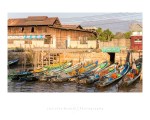
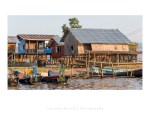
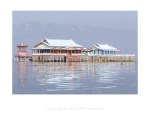
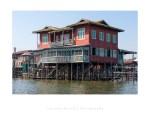
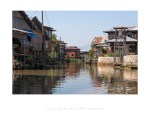
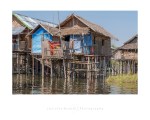
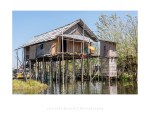
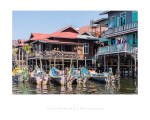
Le lac Inle, le deuxième plus grand lac de la Birmanie, est un lac d’eau douce dont la profondeur moyenne n’est que de 2.10m en saison sèche. La population du vit tout autour du lac dans des villes ou des villages. Ils habitent des maisons sur pilotis faites de bois et de bambou tressé. Les déplacements se font par pirogues, à rames ou à moteur. Toute la région du Lac Inle est d’une beauté incroyable.
***********
Lake Inle, the second largest lake of Burma, is a freshwater lake, whose average depth is around 2.10 m during the dry season. The population lives around the Lake in cities or villages. They live in houses on stilts made of wood and woven bamboo. Most transportation on the lake is done by small boats. The entire region of Inle Lake is of incredible beauty.
Fières mamans
Posted on 19 mai 2016
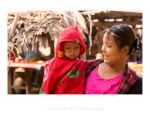
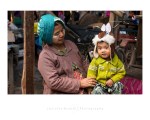
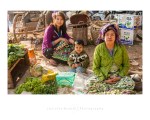
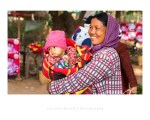
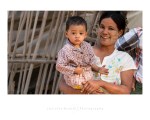
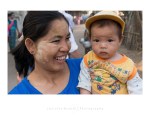
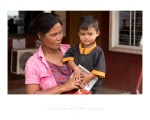
Peu importe la région de la Birmanie dans laquelle nous étions, les mamans étaient toujours fières de nous présenter leurs petits pour que nous les prenions en photo.
******************
No matter where we were in Burma, mothers were always proud and eager to present us their young children so that we would take pictures of them.

Fête du noviciat
Posted on 14 mai 2016
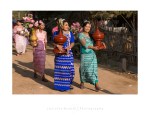
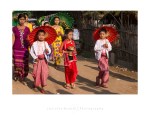
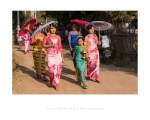
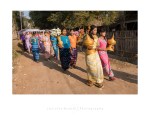
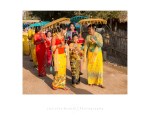
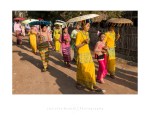
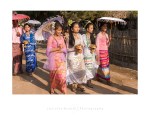
Le 1er février, alors que nous étions sur la route entre Bagan et Monywa, nous avons croisé une fête de noviciat. Il s’agit d’enfants ou de jeunes adolescents qui se préparent à entrer au monastère pour un stage qui sera plus ou moins long (1 semaine ou …. le reste de leur vie!). Pour l’occasion, ils sont habillés, coiffés et maquillés somptueusement, une grande fête est organisée et un repas est offert à tous les membres du village. Le lendemain, avant d’entrer au monastère, chacun se fera raser la tête.
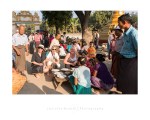
On nous a chaleureusement invités à se joindre à eux pour le repas.
****************
On February 1st, as we were driving from Bagan to Monywa, we ran into a novitiation procession. During such ceremony young boys and girls wear elaborate and brightly coloured costumes, colourful make up and sophisticated hairdos. Those children are being presented before entering the monastery for a period that will go from a week to the rest of their life. The whole village is invited to participate to the party and to share the meal. The next day, before entering the monastery, each child will have their head shaved.
We were cordially and warmly invited to share the feast with them.
Artisans Birmans (2)
Posted on 9 mai 2016
Nous avons eu le privilège de voir travailler de nombreux artisans durant notre séjour en Birmanie. Nous avons été à même d’observer à quel point ils étaient travaillants, attentionnés et créatifs. Voici une deuxième série de photos de ces artistes à l’oeuvre. Dans cette série nous voyons un homme qui prépare un motif à sculpter, un homme fabriquant le mécanisme qui permettra d’ouvrir et de fermer un parasol, une femme qui blanchit la soie de lotus, un homme faisant sécher la soie de lotus qui a été teinte, un homme façonnant un bijou d’argent, un homme qui verse de l’argent fondu, des femmes qui poncent des Bouddhas en marbre, un homme qui fabrique un contenant en acier et des hommes qui aplatissent les feuilles d’or. La vidéo montre le travail de ces hommes.
******************
We had the privilege of seeing many craftsmen and craftswomen at work during our stay in Burma. We were able to observe how they were hard-working, caring and creative. Here is a second set of photos of those creative people at work. In this set we see a man preparing a pattern to be carved, a man making the mechanism that will open and close a parasol, a woman bleaching lotus silk yarn, a man drying the freshly died lotus silk, a man working on a silver piece of jewelry, a man pouring molten silver, women sanding marble Buddhas, a man preparing a tin container and men goldbeating. The video shows how hard these men work at pounding the gold.


Jour de marché en Birmanie (2)
Posted on 4 mai 2016
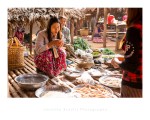
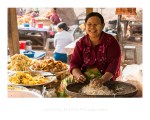
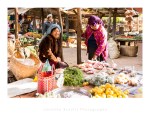
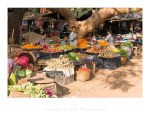
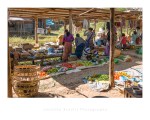
Voici une deuxième série de photos prises en Birmanie aux marché de Monywa et au marché du Lac Inle.
Encore une fois, une partie de la nourriture achetée au marché ainsi que les fleurs sont souvent offertes au Bouddha.
***************
Here is a second set of photos of the Monywa market and the Inle Lake market in Burma.
Once again, part of the food bought at the market, as well as flowers, will often be offerings for the Buddha.


Jour de marché en Birmanie (1)
Posted on 27 avril 2016
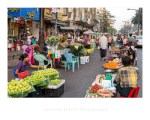
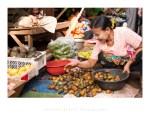
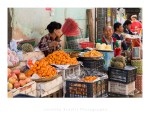
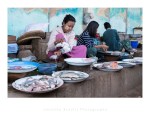
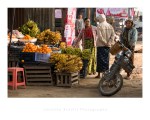
Peu importe où nous étions en Birmanie, en ville ou en campagne, il y avait toujours un marché à proximité. Ils étaient toujours colorés, bouillonnant d’énergie et débordant de clients. Les Birmans y vont souvent, presque quotidiennement. Leur alimentation est surtout faite de fruits, de légumes et de riz mais ils consomment également de la viande, du poisson et de la volaille. Voici une première série de photos prises aux marchés de Yangon, de Kyaiktiyo, de Bagan et de Monywa.
Une partie de la nourriture achetée au marché ainsi que les fleurs sont souvent offertes au Bouddha.
***************
No matter where we were in Burma, there was always a market close by. They were always colourful, filled with energy and clients. Burmese often go to the market, almost daily. Their diet is mostly made of fruit, vegetables and rice but they also eat meat, fish and poultry. Here is a first set of photos from the Yagon market, de Kyaiktiyo market, the Bagan market and the Monywa market.
Part of the food bought at the market, as well as flowers, will often be offerings for the Buddha.


Artisans Birmans (1)
Posted on 23 avril 2016
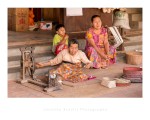
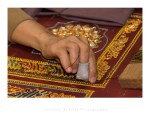
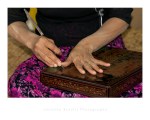
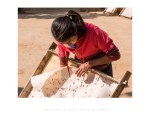
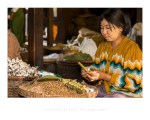
Nous avons eu le privilège de voir travailler de nombreux artisans durant notre séjour en Birmanie. Nous avons été à même d’observer à quel point ils étaient travaillants, attentionnés et créatifs. Voici une première série de photos où des femmes filent le coton, tissent, perlent des broderies, préparent un bol à laquer, sablent la laque avec leurs doigts, décorent la laque, fabriquent du papier ou encore des Chérots (cigares Birmans).
******************
We had the privilege of seeing many craftsmen and craftswomen at work during our stay in Burma. We were able to observe how they were hard-working, caring and creative. Here is a first set of pictures where women spin cotton, weave, bead embroidery, prepare a bowl to be lacquered, sand lacquered bowls with their fingers, carve and decorate lacquered boxes, make paper and also Cheroots (Burmese cigars).




Travailler la terre à Bagan
Posted on 20 avril 2016
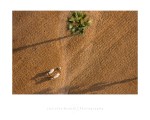
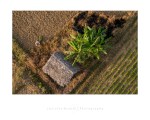
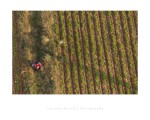
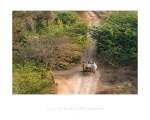
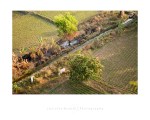
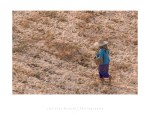
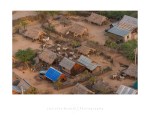
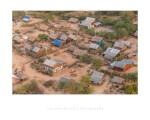
L’agriculture est une industrie importante en Birmanie. En fait, le pays a déjà été le plus important exportateur de riz de l’Asie. On peut également voir des troupeaux de moutons et de zébus. Ces derniers sont principalement utilisés pour se déplacer et pour cultiver la terre. Parce qu’ils contribuent à la vie quotidienne de la famille, ils sont considérés comme faisant partie de la famille.
****************
Agriculture is an important industry in Burma. In fact, the country was once Asia’s largest rice exporter. Herds of sheets and zebus can also be seen everywhere. The zebu are primarily used as transportation but also to cultivate the land. Because of their contribution to the daily life of the family, they are considered as part of the family.


Journée de naissance
Posted on 17 avril 2016
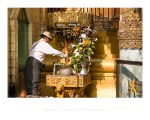
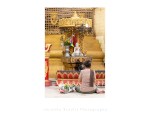
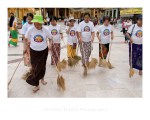
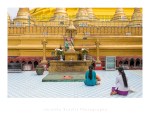
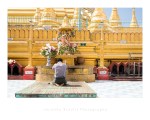
En Birmanie, tout autour des temples il y a toujours 8 stations, pour les 8 jours de la semaine… oui 8 parce que pour le peuple Birman, le mercredi est divisé en matin et après-midi. Le jour de la semaine de la naissance revêt une importance particulière. Entre autre, les enfants sont nommés selon le jour de la semaine où ils sont nés. Ensuite, tout au long de leur vie, les bouddhistes Birmans vont s’attirer des faveurs en priant, en faisant des offrandes ou encore en nettoyant le Bouddha de leur journée. Sur deux des photos, les dames, toutes nées un lundi, passent le balai dans leur section du temple : elles font partie du « Club du lundi ».
**************
Around the temples there are always 8 stations, for the 8 days of the week… yes 8 because in Burma, Wednesday is divided into morning and afternoon. The day of the week of the birth is of extreme importance. Children are named according to the day they are born. Throughout their lives, Burmese buddhists will try to gain favours by praying, cleaning or making offerings to the Buddha of the day they were born. On two of the photos, the ladies who are cleaning with brooms were all born on a Monday: they are part of the “Monday club”.


Le Bouddha
Posted on 15 avril 2016
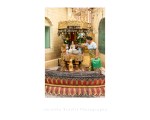
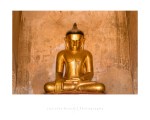
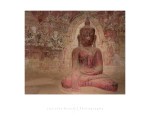
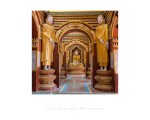
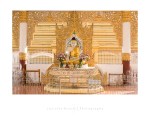
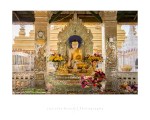
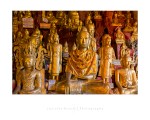
Bouddha était partout durant notre séjour en Birmanie. Il était couché, debout ou encore assis. Ses mains, dont la position est très variée, représentent des gestes précis pour les Bouddhistes.
Le Bouddha peut être en or, en plâtre ou encore taillé dans la pierre. Il peut être seul ou entouré d’un grand nombre d’autres Bouddhas.
**************
The Buddha was everywhere during our stay in Burma. He was lying, standing or sitting. His hands, which have varied positions, represent specific gestures for Buddhists.
The Buddha can be made of gold, of plaster or it can be carved in stone. The Buddha can be alone or surrounded by other Buddhas.





 Jacinthe Brault